


10 must-capture scenes in a tourist accommodation
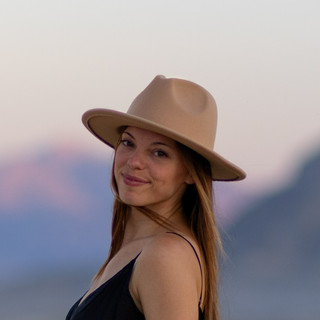
Travel photography is often inspiring because our eyes are constantly drawn to new discoveries — an animal peeking out from the bushes, a postcard-worthy landscape, a poetic sunset, an Instagram-worthy meal, culturally rich faces, and so much more. These moments naturally spark our creativity and inspire us to capture images in a variety of settings and environments. Yet, we often forget that our accommodation is an integral part of our travel memories and overall experience, from the moment we arrive to the morning we have to check out. Whether you want to preserve your own travel memories or build an inspiring visual content library as a photographer, content creator or influencer, this article is designed to help you plan the scenes you can capture the next time you photograph a hotel or tourist accommodation.
★★★ All images in this article are protected by copyright. Any reproduction or use without prior authorization is strictly prohibited. Please respect my work as an artist and my visual content.
Before I begin discussing the ten staging setups I frequently recommend for vacation rental projects, let me offer some advice on the preparation phase that precedes the on-site work. These tips consistently prove effective for three reasons: they save time during the project, help build a more diverse library of images, and increase client satisfaction.
▶ Conduct an initial remote assessment of the accommodation. Examine the visuals already published on their social media channels, their website, and other related platforms.
Arriving on-site prepared with a concrete shot list is always beneficial. By carefully examining the interior rooms and surrounding spaces—using content already published by your client or previous partners—you can quickly gauge the scope of the assignment and the time required. This will allow you to estimate how many photos can be captured in each area. Naturally, if you are incorporating lifestyle shots (featuring one or more subjects) alongside commercial images, be sure to allocate extra time! Even if your deliverables include a specific number of final photos, this preparation will help you create a shot list tailored to your client’s unique needs.
This step will also help you avoid replicating the same types of imagery already produced by other photographers or content creators for the listing. While it is true that some photos may end up looking similar, in most cases, it is entirely possible to incorporate your own personal touch.
▶ Capture the essence of the company and weave it into your vision through storytelling. This will help you blend the foundations of its brand identity—established at the company’s inception—with your own artistic direction.
For me, this is my favorite part of the preparation phase, as it’s the stage where my ideas truly begin to take concrete shape. Some people like to create a mood board in advance, drawing inspiration from creative concepts seen elsewhere, or compile a specific list of extra props not already provided by the accommodation—such as wine, fruit, a book, or coffee mugs in a particular style. If you are also acting as the model for your lifestyle photos, give some thought beforehand to the style of clothing you’d like to feature. Furthermore, if you aren’t the one modeling, be sure to provide clear guidance to your models in advance regarding the look they should prepare.
▶ Check the weather forecast a few days before your departure and identify where the sun rises and sets in relation to your accommodation.
This might seem intense to some, but if rain is forecast for half of your stay, for instance, you will need to plan your outdoor photos and drone shots with Mother Nature in mind. As another example, if the accommodation provider wants you to capture the activities available in the surrounding area, it is important to make your bookings in advance, scheduling them for the days with the most favorable weather. Identifying where the sun rises and sets will also help you quickly determine which locations are suitable for backlit photography. After all, let’s not forget that light plays a crucial role in photography!
1 - AERIAL VIEWS OF THE ACCOMMODATION: PRESENT THE LOCATION FROM A BIRD'S-EYE PERSPECTIVE
I highly recommend photographing your accommodation within its surroundings using a drone. Such images have the remarkable power to provide an initial, remote immersive experience, allowing viewers to discover not just the property itself, but its entire environment. They showcase its location, architecture, and outdoor amenities, as well as the beauty of the landscape in which it is set. Whether it’s a cabin in the heart of nature, a seaside hotel, or a retreat nestled in the mountains, aerial perspectives add an extra dimension to your collection of photographs. They offer a greater variety of angles, help tell a more complete visual story, and evoke a sense of escape—even before a guest has booked their stay.
Beyond their aesthetic appeal, these images are highly versatile and can be utilized across a client’s website, booking platforms, social media channels, advertising campaigns, and various other communication materials. They also represent a long-lasting asset that the client can reuse throughout the seasons and across different marketing initiatives. Offering this adds a distinct advantage for your client—significantly enriching the collection of images provided, increasing the value of your services, and helping you stand out by delivering a more comprehensive and well-considered photographic approach.
▶ Vary the angles and perspectives of your drone shots (low-angle, top-down, etc.). Also, consider taking photos in both horizontal and vertical formats to diversify the ways in which they can be used.
Horizontal images are particularly well-suited for websites and banners, while vertical formats are highly popular for social media posts. Personally, my favorite drone shots are "top-down" images—captured from directly above the property. I especially love this perspective, as it reveals shapes, architectural lines, layout features, and landscape details in a unique—and sometimes even unexpected—way. A quick tip: ensure you have obtained all necessary legal authorizations before taking off, especially if the property is located in an area with flight restrictions.
2 - LOBBY AND RECEPTION: FOCUS ON THE CHECK-IN MOMENT
It’s easy to forget that this scene—seemingly simple as it may be—is actually a unique, irreplaceable moment, as it marks the beginning of your adventure. Arriving at your destination is an integral part of the experience and serves as the literal starting point for your storytelling. Do you have your suitcases in hand and backpacks on your shoulders as you stand before the entrance to the building? That’s the perfect moment to snap a photo! Are you at the reception desk, receiving a key card for your room from a staff member? Take the opportunity to capture that interaction in a close-up shot. These are just a few ideas, but you get the point: every little moment helps tell your story. Whatever you do, don’t skip this part!
▶ Don’t just photograph the indoor/outdoor welcome area or an empty reception desk! Consider incorporating scenes that illustrate the human experience.
Involve the person accompanying you to recreate a few typical moments from arriving at the accommodation. These small, authentic touches bring your collection of photos to life and help future travelers better envision the experience for themselves. Remember, the most compelling images aren't always just those that showcase a space—they’re also the ones that tell the story of what it’s like to be there!
3 - THE WELCOME COCKTAIL OR BAR AREA: ADD AN INVITING TOUCH TO THE CUSTOMER EXPERIENCE
Some hospitality establishments like to offer a welcome cocktail to their guests. Capturing this moment in a photograph adds a warm and inviting touch to the guest experience. This small gesture conveys a positive message right from the start: the establishment values the well-being of its visitors and wants them to feel welcomed, expected, and special from the very first moments of their stay. Since this is a unique gesture, it is well worth capturing in a photograph. The bar area often serves as a hub for gathering, relaxation, and socializing—an essential part of the establishment’s identity. Some properties offer signature cocktails, local products, tastings, or themed evenings. These elements deserve to be photographed, as they can become powerful selling points that help a property stand out from its competitors.
▶ When negotiating the terms of the assignment, be sure to make an official request for a beverage—for both you and your companion—to be enjoyed at the establishment’s bar area.
Even if your accommodation doesn’t provide a welcome cocktail, you won’t be left empty-handed if you want to capture some lifestyle shots in the setting. Set the mood and spark some desire! Photograph the lighting, materials, furniture, bottles, glassware, and decorative details. These elements help convey the atmosphere of the space—whether it’s sophisticated, laid-back, intimate, or festive. Suggestion: staying in an Airbnb that doesn’t offer such amenities? Bring along your own wine, drinks, or favorite spirits and let your creativity run wild! Curate a little scene in a spot that inspires you to develop an original concept and capture stunning lifestyle images.

4 - THE BEDROOM: THE PRIMARY SPACE IN ALL ACCOMMODATIONS, WITHOUT EXCEPTION
The first room that catches the eye—and the one everyone inevitably takes photos of—is, of course, the bedroom! It is clearly the standout space that shouldn't be overlooked; after all, people book accommodation primarily to sleep. Suggestions: while various setups can be effective, I recommend starting with the "corporate-style" (standard professional) shots. Don't forget to stage the space beforehand. Sometimes a room looks great as is, but certain elements can be shifted, added, or improved. For example: turn a desk chair to the side to create a more open feel; adjust wall-mounted lamps (if they are adjustable) to ensure they are perfectly straight; hang some clothing on hooks or in the closet to fill empty space; or place a pair of shoes or slippers at the foot of the bed—and so on.
▶ When it comes to corporate and commercial photography, always follow a specific order of priority: begin with wide-angle shots to showcase the space, its scale, and its overall essence. Move on to medium shots, and finish with close-ups to capture specific details—adding a variety of perspectives and artistic touches to your image library. By adopting this approach, you ensure that the space is covered from every angle, leaving nothing to chance!
Once the corporate photos are done, it’s time to let your imagination run wild and dive into lifestyle photography! Set up your tripod and snap a lovely shot of a couple enjoying breakfast in bed, or capture a close-up of your hand holding a delicious cup of coffee first thing in the morning. This is the stage where you should focus on original, creative, and authentic concepts—the kind that will help you stand out from other photographers and content creators. Don’t be afraid to experiment and think outside the box!
5 - THE BATHROOM: AN UNDERESTIMATED SPACE WORTH MAKING THE MOST OF
Let’s be honest: the bathroom is not always a top priority in every hotel, as it doesn’t always serve as a defining feature of the overall decor. However, when you come across a bathroom with a particularly refined design, high-quality materials, or exceptional fixtures, it would be a shame not to include it in your photoshoot! Beyond its aesthetic appeal, high-quality photographs of this space help showcase the level of comfort, the caliber of the facilities, and the attention to detail. A freestanding bathtub, a glass-enclosed shower, elegant faucets, or thoughtfully arranged toiletries can all help project an upscale image of your establishment. Such visuals also allow prospective guests to better envision their stay, familiarize themselves with the available amenities, and gauge the quality of the accommodation—all before they even make a booking.
▶ Leverage an artistic direction centered on well-being and a connection to water to achieve visual results that emphasize rest, relaxation, and the importance of self-care.
Depending on the setting and the unique features of your establishment, you can stage a variety of scenes that go beyond standard corporate photography. Embrace creativity by exploring different artistic concepts—such as playing with reflections in mirrors, capturing water droplets or steam on a glass shower partition, or depicting a moment of self-care in a bubble bath. Also, be sure to include some close-up shots of the products and amenities your establishment offers: small soaps neatly arranged on the counter, bathrobes hanging from wall hooks, slippers placed by the tub, or skincare products presented with elegance, among others.
6 - BALCONIES AND/OR TERRACES: THE KEY EXTENSION OF THE ACCOMMODATION SPACE
Balconies and terraces are much more than just outdoor areas; they extend the accommodation experience and serve as living spaces in their own right. Whether it is a terrace set up beside a swimming pool, a relaxation area with a view of the surroundings, or a sun-drenched corner furnished with lounge chairs, these spaces deserve to be showcased through carefully composed arrangements. Furniture, materials, the interplay of light, and the surrounding environment all contribute to creating images that capture the atmosphere of the setting. A row of sun-drenched lounge chairs, neatly placed towels, or the contrast between the pool water and the surrounding textures—these are the kinds of details that enrich a collection of images. The goal is to reveal the character of these outdoor spaces and highlight what makes a stay so enjoyable, extending the experience well beyond the four walls of the guest room.
▶ Since this is an outdoor space, the time of day you choose can make all the difference. Opt for times when natural light best highlights the terrace and its features. In the morning, the light is generally softer and more diffused, while toward the end of the day, the sun’s warmer tones create a particularly pleasant atmosphere.
If your balcony or terrace feels rather empty, consider incorporating elements that suggest how these spaces are actually used—such as a small side table, a drink, a bowl of fruit, a pair of binoculars, or a guidebook. These accessories add depth to your compositions while highlighting the available amenities. The goal is to present the terrace or balcony as a well-appointed, functional, and carefully maintained space, rather than merely an architectural extension of the building.
7 - DINING AT YOUR ESTABLISHMENT: HIGHLIGHT CULINARY DIVERSITY AS AN EXPERIENCE IN ITSELF
There are two possible scenarios here. Let’s start with the first: highlighting the culinary experience through a hearty meal served at the accommodation’s restaurant, or perhaps the breakfast provided by the establishment. Suggestion: at more upscale or high-end hotels, focus your food photography on the evening meal. Dinner is, in itself, an experience—especially since the hotel’s restaurant is often known for specific specialties favored by its guests, or for the reputation of its chef. Your client will certainly appreciate this additional visual content, as few photographers or content creators think to extend their photographic approach to include culinary tourism.
▶ During your discussions with your client—and before officially confirming the partnership—take the time to explore their needs regarding food photography. If the establishment wishes to incorporate this type of content, be sure to arrange your table with the staff in advance. When doing so, request a spot with favorable natural light and a setting that enhances your photographs; if possible, choose a quieter area—especially if you plan to set up your camera on a tripod.
Does your accommodation lack an on-site restaurant? That shouldn't stop you and your companion from capturing some great moments over breakfast! For content creators, this is often a quieter, more relaxed time—especially if you arrive right when it opens. You’ll find it much easier to set up a tripod, which is particularly helpful if you want to take a photo of the two of you together. Try to vary your compositions: a top-down shot to highlight the food, a wide-angle lifestyle shot to capture the overall atmosphere, or an "over-the-shoulder" perspective to showcase a specific plate or cup of coffee—the possibilities are endless!
The second scenario involves Airbnb-style accommodations, where you typically won’t have access to an on-site restaurant. In this case, focus on the kitchen and bring the experience to life through your photographs. The goal is to create scenes that allow potential guests to easily envision themselves there—preparing a great meal, enjoying a delicious dinner at sunset, or having breakfast on the terrace with a five-star view! You can also showcase the kitchen from a more professional, commercial perspective by capturing the space as a whole, while using close-up shots to highlight the accessories, appliances, and specific details that define it.


8 - WELLNESS FACILITIES SUCH AS THE SWIMMING POOL, SPA, OR GYM
Wellness facilities are a significant asset for any hotel and can even influence a traveler’s decision to book. It is therefore worthwhile to highlight what makes them unique, rather than simply taking standard photographs of the space. For instance, in the photos below, I aimed to showcase the water channels and the option to enjoy drinks and light snacks right in the pool; I incorporated a pineapple into the scene to create an original composition that evokes this experience. Meanwhile, the drone shot reveals private areas—featuring spas and small pools—reserved for the third-floor rooms. This is a distinctive detail of the property that deserves to be highlighted, as it helps set the hotel apart from others.
▶ Consider using reflections in water, plays of symmetry and architectural lines to create more graphic compositions and give character to your images.
Focus on scenes that highlight the available amenities and services—such as the various stations in a thermal circuit, the water jets in a hot tub, massage chairs, exercise equipment, or even the small details that contribute to visitor comfort. You can also create staged scenarios that illustrate how the facilities are used, such as someone stretching, a moment spent reading between treatments, or the preparation of a space for yoga and relaxation.
9 - ACTIVITIES NEARBY: DISPLAY YOUR CLIENT’S PARTNERSHIPS AND AFFILIATIONS
I have previously been commissioned as a photographer and content creator by a hotel establishment that already possessed an extensive library of images showcasing its own facilities, guest rooms, and common areas, yet lacked content highlighting nearby activities and tourist attractions. This situation can manifest in various ways. Some establishments look to build up their image library even before their interior spaces have been fully furnished or renovated. Others wish to begin promoting their destination, showcasing the experiences available in the surrounding area, or highlighting the local partners with whom they collaborate.
Whatever your situation, the attractions that revolve around your establishment represent a real visual wealth. Yoga, wildlife photo safari, visit to a volcanic cave, scuba diving, catamaran trip at sunset, hiking or discovery of spectacular viewpoints on the cliffs, car rental, etc. They allow you to tell a story that goes well beyond your accommodation and give future visitors even more reasons to choose your address.
10 - BONUS SCENES YOUR CLIENTS WILL ENJOY
In addition to the essential scenes that must be captured, consider including a few extra images that also deserve a place in your visual library. While these photos may seem secondary, they help tell a more complete story and reveal another facet of your establishment. Think about elements that change with the seasons, thoughtful touches that demonstrate the quality of your hospitality, or the small experiences that make a stay especially enjoyable. Here are three examples of situations you can use as inspiration for creating bonus scenes:
▶ Holidays and special events: take advantage of the occasions throughout the year to create themed settings and refresh your photographic content. These arrangements also demonstrate that your establishment adapts its atmosphere to different times of the year. Capture Christmas decorations in the lobby, a romantic table setting for Valentine’s Day, a festive display for New Year’s, an autumnal ambiance in common areas, and so on. Do not underestimate the value of creating this content, as these images can be reused on your social media platforms from one year to the next.
▶ Customer service: highlight the gestures and interactions that demonstrate the quality of your hospitality. These images help humanize your establishment and showcase the care shown to every visitor. Capture moments such as a staff member handling a phone call, a guest writing a testimonial in the feedback log, or even a small service robot delivering an order to a guest room.
▶ Exclusive touches: capture these thoughtful gestures to provide the establishment with additional content for its communications. These moments also serve as wonderful opportunities to keep personal mementos of the experiences you enjoyed during your stay. Here are a few ideas for your photos: a welcome tray, a tasting of local products, receiving discount vouchers for partner businesses, a selection of teas and coffees provided in your room, etc.
Photographing tourist accommodation involves much more than simply showcasing a carefully arranged room, an inviting swimming pool, or decor worthy of a magazine spread. Above all, it is about telling the story of an experience, conveying an atmosphere, and allowing future travelers to envision themselves in a stay they have yet to enjoy. Through these ten staged scenes, I hope to have inspired you with new ways to approach your future photography assignments, while demonstrating that every space, every detail, and every thoughtful touch can become an opportunity to create meaningful images. Remember that the most compelling photographs are not necessarily the most elaborate; rather, they are the ones that succeed in evoking an emotion, sparking curiosity, and inspiring a desire to discover a place. Beyond technique and composition, let your artistic sensibility guide your process. Dare to explore different angles, experiment with new ideas, and bring your own unique visual signature to every project. It is often in these small details that a photographer’s individual perspective truly shines, helping to build a collection of images that is cohesive, diverse, and memorable.
▶ Thank you for liking this blog post by clicking the little heart. Your support greatly contributes to my daily motivation, and sharing my articles on your social media is a wonderful way to encourage me, which is always greatly appreciated! In the comments, let me know which scenes inspire you the most when it comes to creating beautiful images for a vacation rental or capturing your own personal memories. Feel free to share any other suggestions as well, to help inspire everyone else interested in this topic!
Consider pinning my blog post so you can find it more easily later. Subscribe to my Pinterest account to stay up-to-date with all the latest blog posts.


Comments